"The fault, dear Brutus, is not in our stars, But in ourselves, that we are underlings." Shakespeare --From Julius Caesar
Cassius speaks this famous line to try and persuade Brutus that in the best interests of the public, Julius Caesar must be stopped from becoming monarch of Rome. He tries to remind Brutus that Caesar is just a man, not a god, and that they are equal men to Caesar. This phrase has also been interpreted to mean that FATE/DESTINY IS NOT WHAT DRIVES MEN TO THEIR DECISIONS AND ACTIONS, BUT RATHER THE HUMAN CONDITION. (Cassius is portrayed as the archetypal villian for even suggesting such a thing.)
~~~~~~~~~~~~~~~~~~
So what do "the stars" have to do with anything? Quite a lot it seems if human history has anything to do with it. At one time or another humankind has worshipped everything on the face of the earth, including himself. Humans have also worshipped about everything imaginable in the sky and beneath the surface of the earth. Primitive man feared all manifestations of power; he worshipped every natural phenomenon he could not comprehend. The inexplicable things of life are still termed "acts of God" and "mysterious dispensations of Providence."
~~~~~~~~~~~~~~~~~~
When early humans looked at the sky and tried to make sense of the bright, shiny objects they saw there, they imagined that they were mystical beings, other non-earthly powers which must be influencing the earth in some way. As humans tried to make sense of these objects, their composition, nature and intent, so began the human centric and geocentric processes of theriomorphism, zoomorphism, anthropomorphism and personification.
~~~~~~~~~~~~~~~~~~
Early humans interpreted the skies according to their needs, desires, wants, hopes and fears. That humans would personify and anthropomorphise the world through their personal or collective needs and wants is understandable and logical. Afterall, we cannot see the world through any interpretation except that of being a human, with all the limitations that that implies. So humans see the world through a process of "human centric tunnel vision".
~~~~~~~~~~~~~~~~~~
Human beings have evolved a set of processes or "intellectual artistic inventions" in an attempt to explain and understand the human centric world.
1. ANIMISM: The process of believing that personalized supernatural beings (or souls) inhabit all objects in the natural world and govern their existence. (example > "everything is alive", "everything is conscious" or "everything has a soul")
2. FETISHISM: The process of believing and subsequently worshipping inanimate objects which are claimed to be endowed with "magical or supernatural properties." (example > "crystal power" )
3. TOTEMISM: The process of worshipping animate or inanimate objects in the natural world which are then revered as an ancestor, protector, guardian or tribal symbol. ( example > native american totem poles )
4. THERIOMORPHISM: The process of attributing animal characteristics to human beings. (example > Shamanism where the shaman claims to not only communicate with animals or a specific animal, but takes on the qualities or power of that animal. )
5. ZOOMORPHISM: The process of attributing animal characteristics or qualities to a god. (example > Ammut, the Egyptian goddess of punishment who had the head of a crocodile, the body of a leopard and the backside of a hippopotamus.)
6. ANTHROPOMORPHISM: The process of attributing human motivation, characteristics, or behaviour to inanimate objects, animals, or natural phenomena. (example > It could be suggested that all the gods past and present have been subjected to this process as they appear to have human motivations, behaviours and characteristics.)
7. PERSONIFICATION: The process of endowing inanimate objects or abstractions with human qualities or representing these things as possessing human form. (example > jesus)
(This is not intended to be an entirely precise nor prescriptive list, merely an example of some of the thought processes that human beings have employed and still employ, in order to attempt to understand and explain the world in which they live.)
~~~~~~~~~~~~~~~~~~
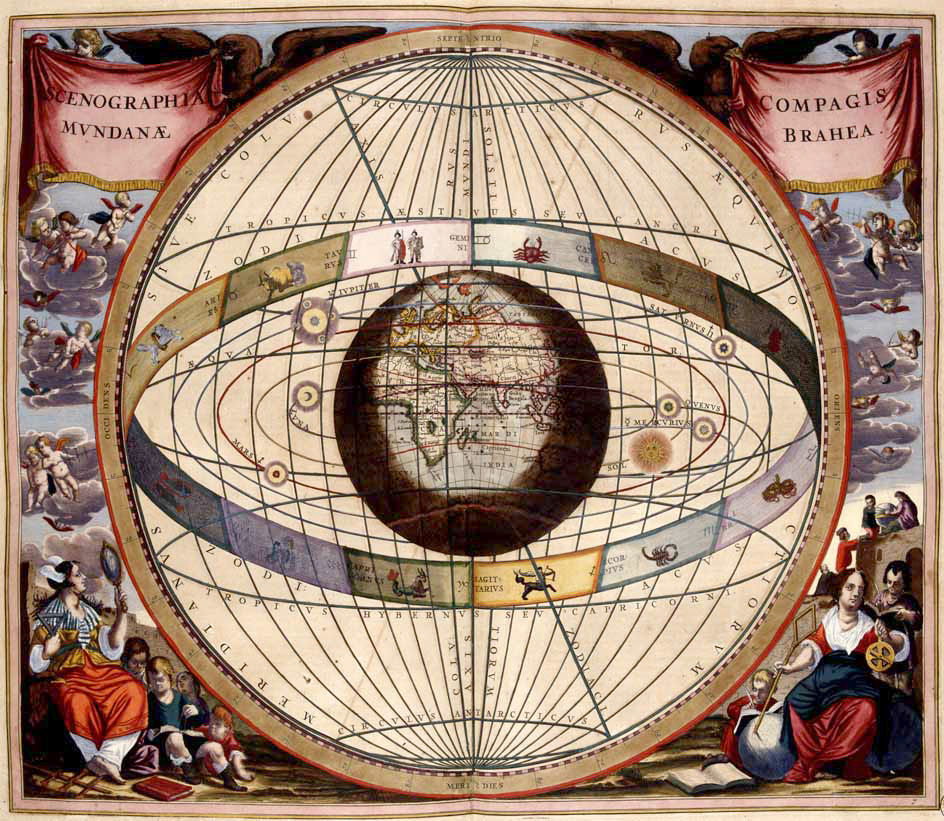
The two "heavenly bodies" first worhipped by early humans were the moon and the sun. (The Egyptian god Horus had a hawk-like head with two eyes which represented the sun and the moon.) Veneration of the moon was at its height during the hunting era. When humans progressed to an agrarian age, sun worship became the chief religious ceremony. As mankind further progressed with the observation of the skies, constellations were mapped and also attributed with powers which astrologers claimed influenced the lives of humankind. Observing the stars, the planets and the space in which these objects rested, (the heavens), was the realm of astrologers, necromancers, shamans, augurs, fortunetellers, druids, magi, seers, soothsayers and FINALLY ASTRONOMERS.
~~~~~~~~~~~~~~~~~~~
The primary goal of astronomy is to understand the physics of the universe whereas the primary goal of astrology is to supposedly correlate celestial bodies and events with earthly events and human affairs. Astrology attempts to offer explanations through a supernatural lens. Astronomy attempts to offer explanations through a scientific lens. Astronomy owes some credit to astrology (especially prior to the 17th century) as astrologers constantly desired more accurate astronomical tables, so they instigated and even funded many important developments in astronomy.
~~~~~~~~~~~~~~~~~~
The science of modern astronomy is of relatively recent origin. This discipline became separated from astrology beginning around the time of the "Great Astronomers" (Galileo, Kepler, Copernicus, Brahe, etc.) This period is defined as the beginning of the scientific revolution, leading on into The Age of Enlightenment, sometimes referred to as The Age of Reason which occurred in the west around the 1700's. The modern astronomical interpretation of the Pisces Constellation, for example, is quite different to early astologers interpretations. (As you read through them, you may be able to see how this natural astronomical constellation has undergone some of the previously listed processes like anthropomorphism and personification.)
1.The goddess Anunitu was a Babylonian associated with childbirth. She represented the north-eastern part of the constellation of Pisces. Another explanation concerns the birth of the goddess Istar. An egg fell from the moon and landed in the River Euphrates. Two fish pushed the egg to the riverbank where the goddess hatched. In gratitude the fish were rewarded with a place in the sky as the constellation Pisces.
2.The Pisces star formation was also associated with the gods Oannes and Dagon. These were water deities in the form of fish. In this constellation the two fish goddesses, Anunitum and Simmah represent the leash. In Islamic astronomy/astology, this area of the sky was known as The Large Fish. Piscis Austrinus represented the Babylonian fish god Oannes, who came to Earth to teach humans how to become civilized. Pisces was also known by the Babylonians as Nunu, or fish, and symbolized the Syrian goddess Derke as well as Atargatis, who was important to other ancient nations and depicted as a huge fish with a woman's head.
3.Into the Euphrates River an egg of wonderful size is said to have fallen, which the fish rolled to the bank. Doves sat on it, and when it was heated, it hatched out Venus who was later called the Syrian goddess (Ashtarte). Since she excelled the rest in justice and uprightness, by a favour granted by Jove (Zeus), the fish were put among the stars as the constellation Pisces.
4.The Southern Fish in the constellation of Pisces was sacred to the Egyptians, who imagined the infamous Nile fish had swallowed the phallus of the dismembered god Osiris. In Egyptian mythology, Orion is the abode of Osiris, the pharoah-god who was slain by his jackal-headed brother, Set. Osiris conquered death and, once resurrected, came to reside in Orion. (the nearby constellation to Pisces)
5.The Greek gods, Eros and Aphrodite, were turned into fishes when they leapt into water to escape the wrath of the storm god Typhon. The usual images of Pisces show the two fishes head to tail, like the oriental yin-yang symbol, to emphasise the male and female aspects. The goddess Minerva placed the image of the fishes in the heavens as Pisces so that the event would not be forgotten.
6.The earthborn giant Typhoeus suddenly appeared one day, startling all the Roman gods into taking on different forms to flee. Jupiter transformed himself into a ram; Mercury became an ibis; Apollo took on the shape of a crow; Diana hid herself as a cat; and Bacchus disguised himself as a goat. Venus and her son Cupid were bathing on the banks of the Euphrates River that day, and took on the shapes of a pair of fish to escape danger. According to another version, together with Cetus (another constellation in the Zodiac sign of Pisces), this may have formed the basis of the myth of the capture of Cerberus, one of The Twelve Labours of Herucles.
The Babylonians, Greeks, Syrians, Persians, Egyptians and Romans considered this constellation to represent two fish. Signifying in modern times, the twelfth sign of the zodiac, the fish do not actually touch the ecliptic but are arranged on either side of the line. A ribbon connecting their tails brings this constellation to a position within the path of the planets.
~~~~~~~~~~~~~~~~~~
Is the Christian religion, like previous religions and mythology, based upon Astrology? Are the sun and the stars acting out the story of the Christian religion each year?
~~~~~~~~~~~~~~~~~~
The Earth's rotation axis is not fixed in space. Each one of the 12 signs of the zodiac takes about 2100 years for our solar system to pass through. Every 72 years we actually move backward 1 degree. After approximately 2100 years we move out of one age and into another. At the time of the claimed birth of Christ, humans were moving out of the Age of Aries which was the Roman Empire into the Age of Pisces. That happened around 60 BC. The early astrologers were aware of this and used as their symbol the two fishes going in opposite directions.
~~~~~~~~~~~~~~~~~~
Around the time of Christ, the Vernal or Spring Equinox Point lay between the constellations of Aries and Pisces, moving backwards out of Aries the Ram and into Pisces the Fish at the knot in the cord - Alrisha (Al Rischa). Hence Christ is associated with the closing of the Arian Age and the dawn of the Piscean Age.
~~~~~~~~~~~~~~~~~~
Around 6 BCE there was a conjunction of Jupiter and Saturn "at the place of passage," meaning as close as possible to the location of the Vernal Equinox Point as it precesses into the next World Age constellation. This Jupiter-Saturn conjunction of 6 B.C. also took place against the background of the constellation of Pisces.
~~~~~~~~~~~~~~~~~~
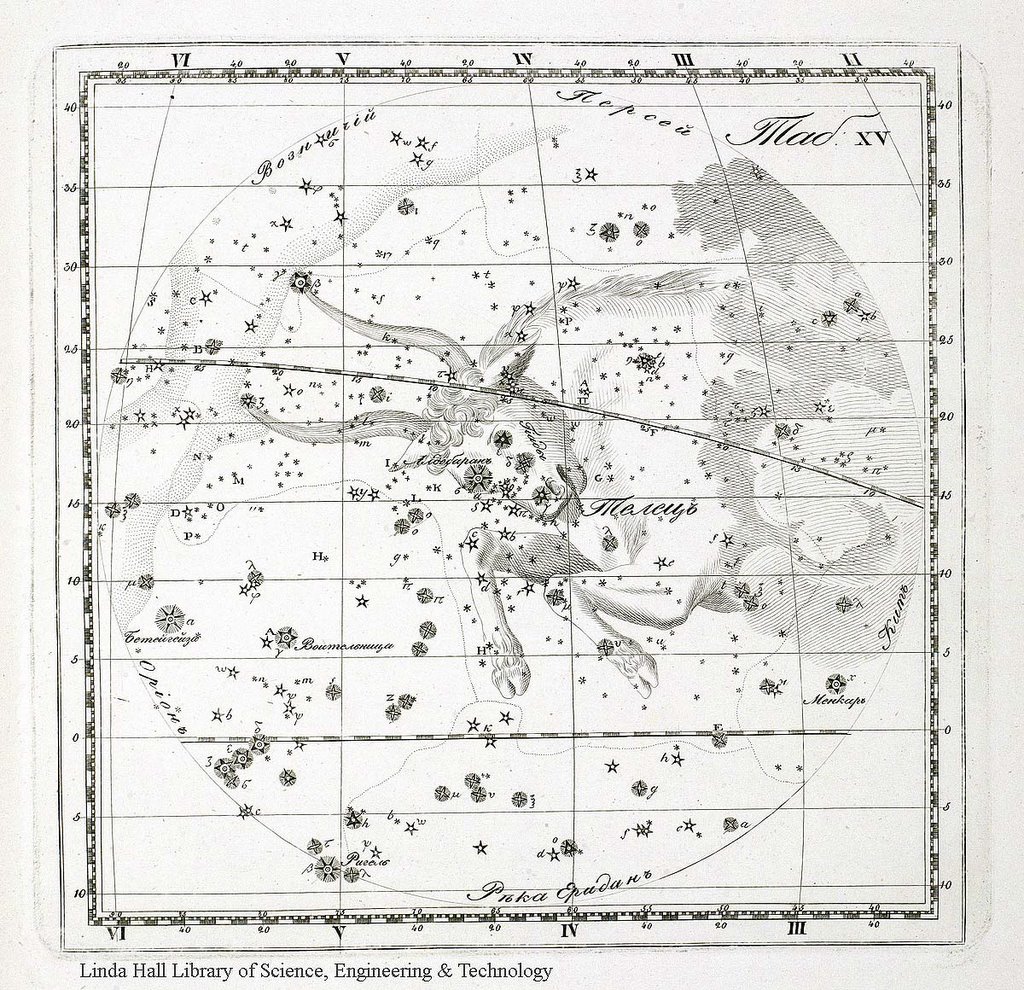
There seems to be a colleration between religion and the gods worshipped and the astological age in which the religion had dominance. In the Taurean Age, (according to de Santillana), the Bull was worshipped as the chief religious symbol. In the Arian, (2200 - 0 BCE) it was the Ram or Lamb, and, in the Piscean, (about 1 - 2200 CE) it is the Fishes.
~~~~~~~~~~~~~~~~~~
Jesus when viewed in this way is "the Son of the Sun." He is the personification of the sun in human form as the "son of the sun." As the sun moved out of the Age of Aries and into the Age of Pisces, a new deity was created to fit the astrological clock. The deities associated with the Age of Aries had also been sun-gods and their stories were also told in the stars as the stories of the Jesus deity would be told in the stars.
~~~~~~~~~~~~~~~~~~
Also, it is sometimes forgotten that the early Christians associated Jesus with the Sun. Among the church fathers, Cyprian speaks of Christ as Sol Verus, the "true sun," and Ambrose names him Sol Novus Noster, "our new sun". An interesting fact revealed in the old Roman calendars is that on the 25th of December each year they commemorated the new birth of Sol Invictus, the "unconquered sun."
~~~~~~~~~~~~~~~~~~
These early Christians used many hymns addressed to the Christ-Sun or to the Christos-Spirit, or to the Logos or Word. These terms were taken from the ancient Greek Mysteries; and the composition of these hymns, and the words could easily be construed as hymns to the sun -- which indeed was exactly what they were.
For example, the following verse from one such hymn:
Verusque Sol, illabere,
Micans nitore perpeti,
Jubarque Sancti Spiritus
Infunde nostris sensibus!(467)
That is to say:
O Thou, REAL Sun,
infill us,Shining with perpetual light!
Splendor of the holy (Cosmic) Spirit
Pervade our minds!
This is an early hymn to the Christ-Sun, used as late as the seventh century of the Christian Era and must have been in use for centuries.
~~~~~~~~~~~~~~~~~~
So due to the earth's precession, the Vernal Equinox gradually moved from Aries the Ram to Pisces the Fish sometime around 1 CE to 300 CE. (Some say a date of 6CE because that also complies with the conjunction of Jupiter and Saturn, although it is difficult to know a definitive date partly due to the major changes which have occurred with the calendars.) The end result is, however, that the symbol of a fish, representing Pisces, became the symbol of Christianity, because THE SUN (SON) WAS IN PISCES THE FISH, ON THE VERNAL EQUINOX.
~~~~~~~~~~~~~~~~~~









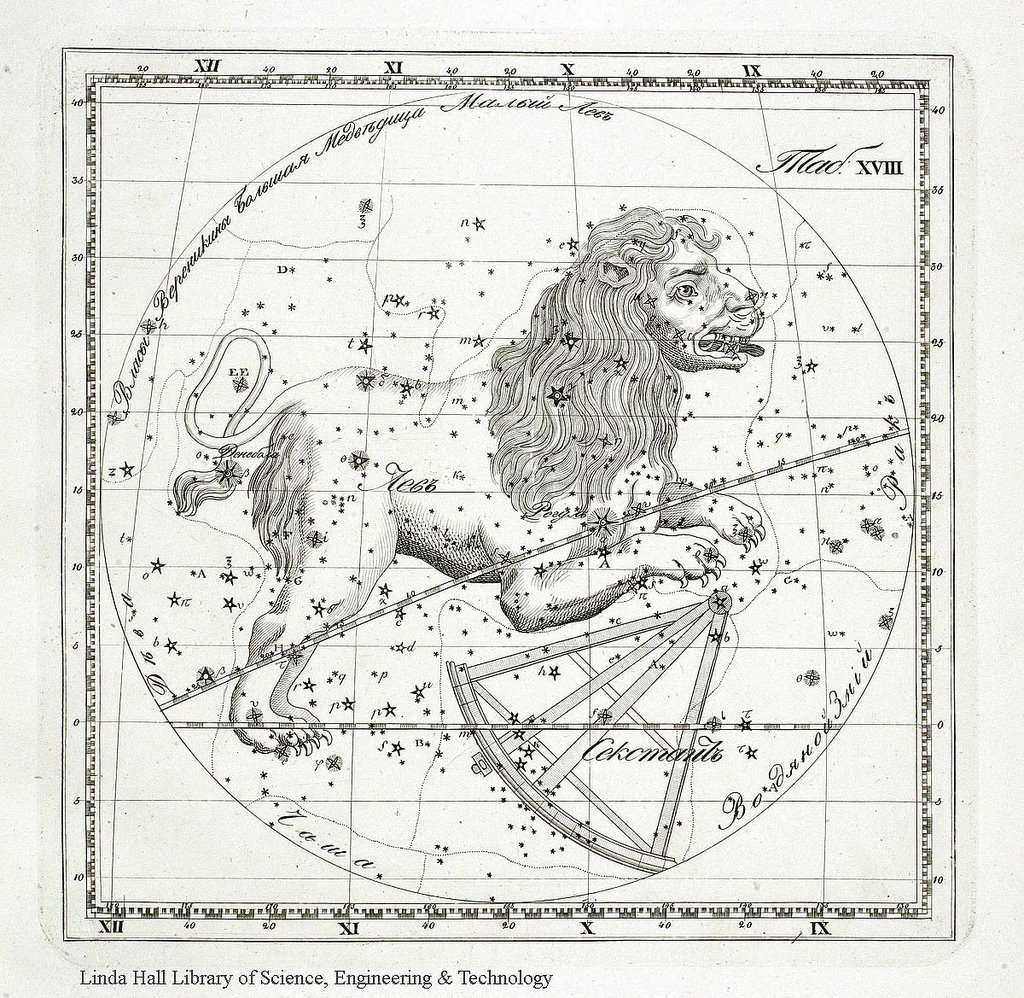
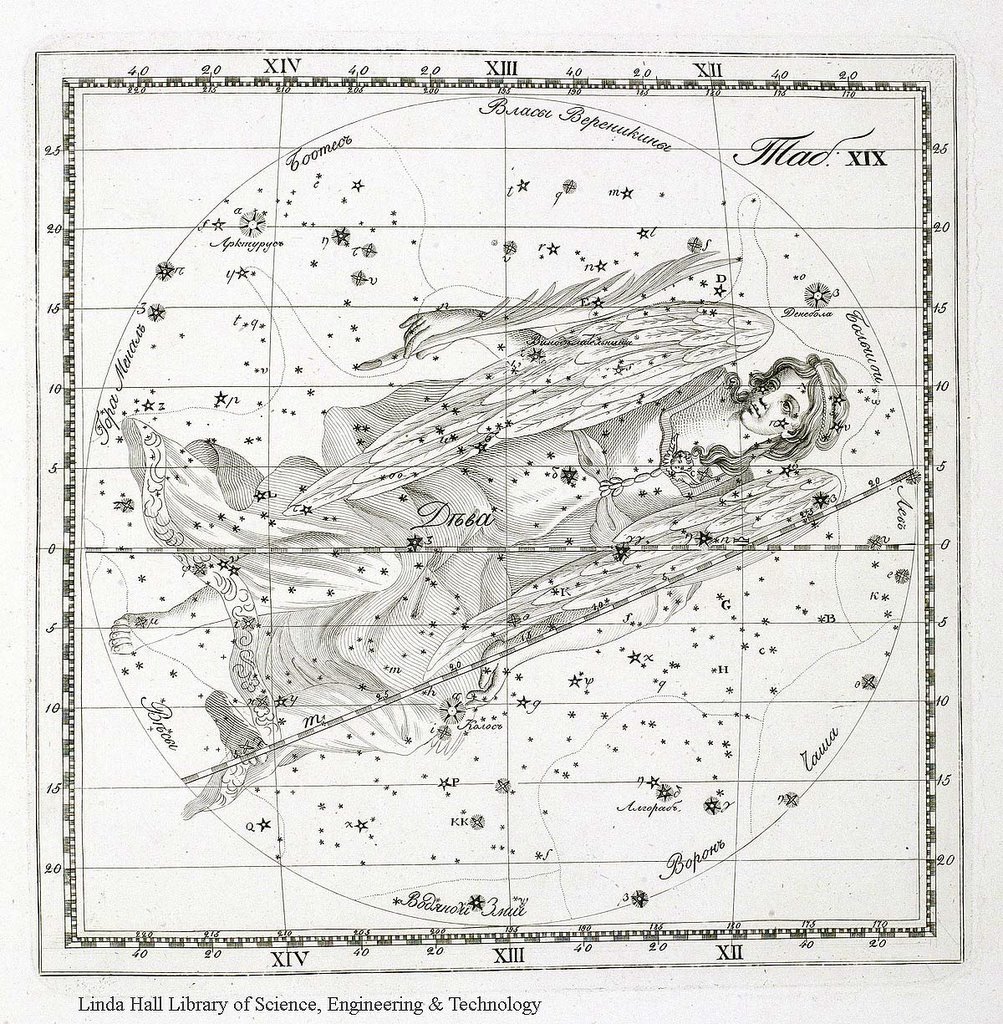 After such, quivering, Virgo chases with storming vapors, Autumn unlocks doors and equals the daily routine.
 The Constellation Libra weighs out the time of night, the Flamming scorpion strips the worn out limbs, while Sagitarrius ejaculates freeze on the Earth.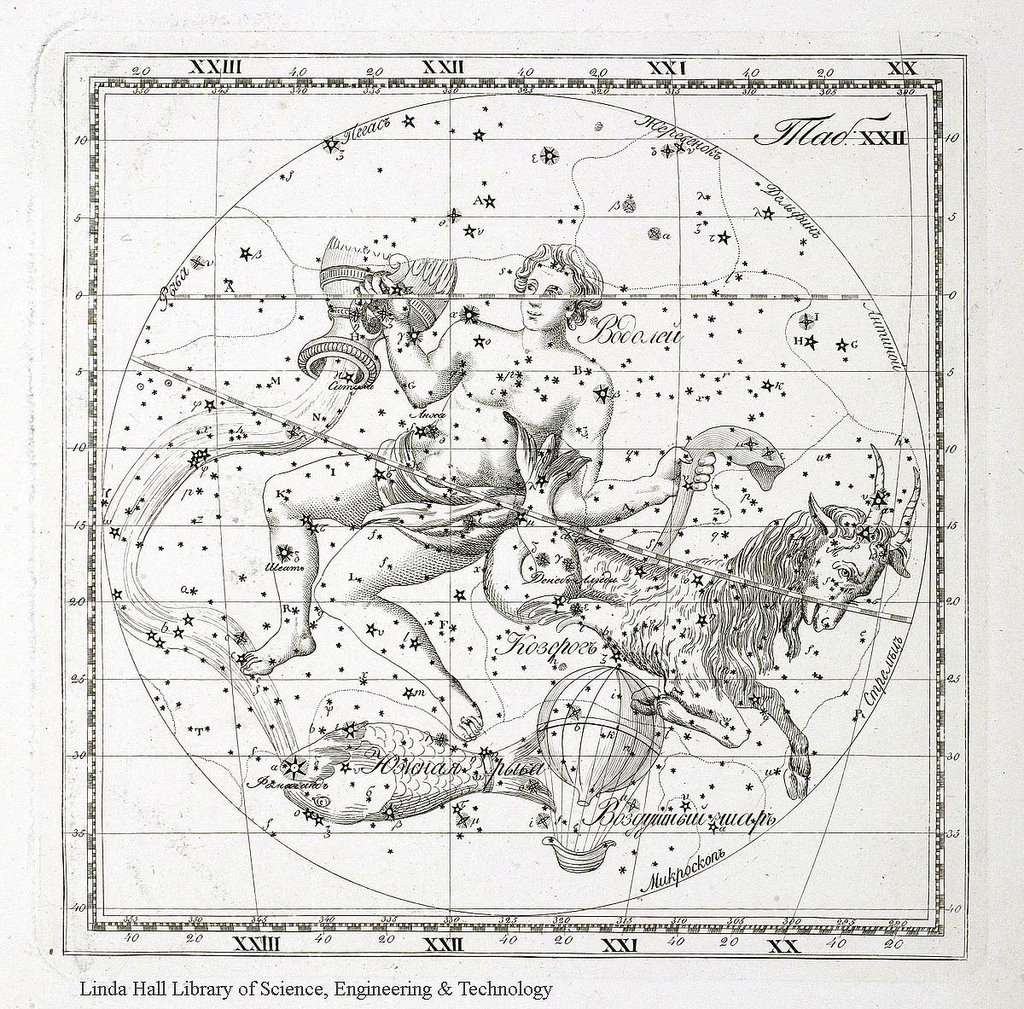
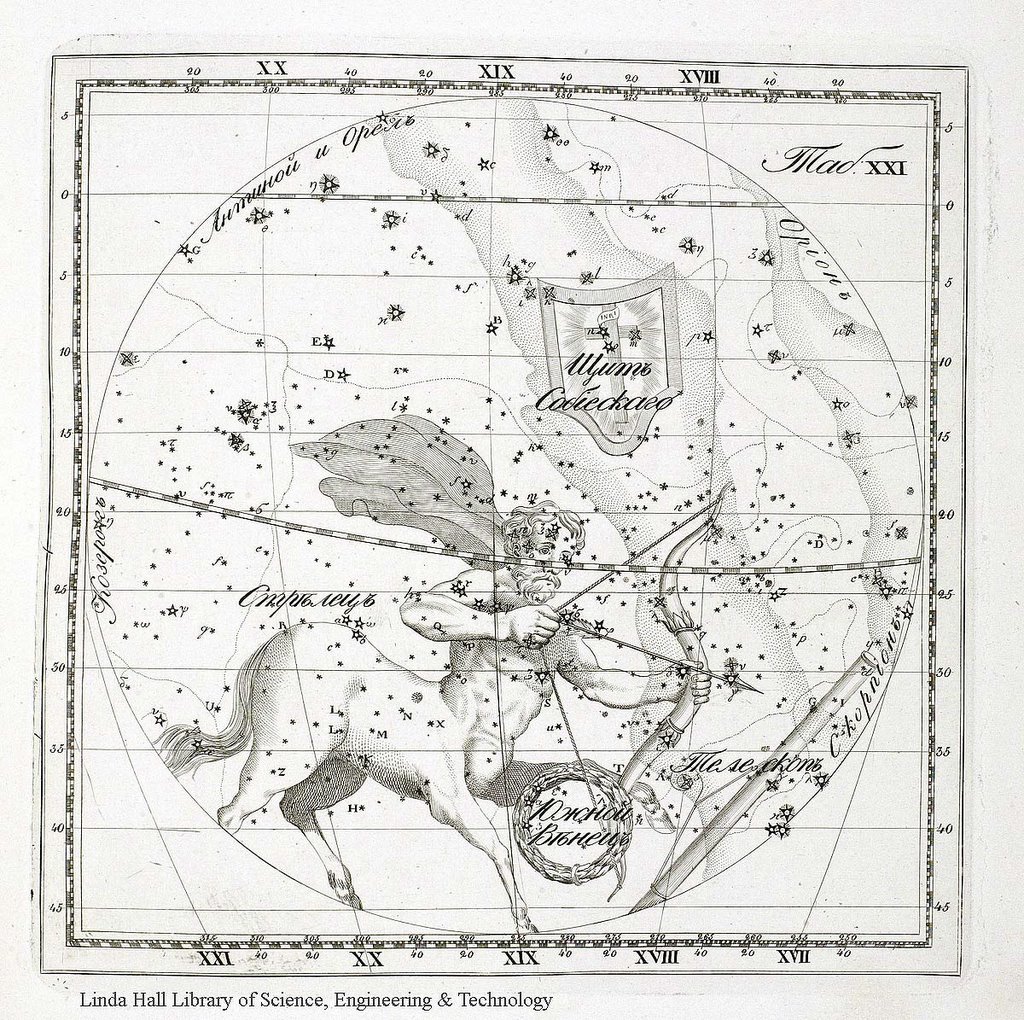 How great they skip and go under and about, but meanwhile the wheel of the shining sun stirs to the right and left, the movable vehicle and that of the moon are supported.